

Do you like chewing gum but want to limit your sugar intake? If so, you can try chewing gum without aspartame. It is a healthier alternative to regular chewing gum, which unfortunately contains 99 % aspartame. If you want to chew healthier gum, chewing gum without aspartame can help you. But why should you chew it? Are there any reasons to do so, or should you stick to chewing commonly available gum? Aspartame has some advantages, which is why it began to be used in gum instead of sugar. Aspartame also has health disadvantages that can have a very negative effect on your body. It is up to you to decide whether the health risks that aspartame can pose to your body are a sufficient reason to look for healthier alternatives, such as healthy chewing gum that does not contain aspartame. Let’s go through it together. The advantages, disadvantages, health benefits, and negatives associated with it.
| What is Aspartame? | Why Avoid Aspartame? | How to Recognize Aspartame? | Benefits of Aspartame-Free Chewing Gum | Individual Sensitivities | Bottom Line | References |
What is Aspartame?
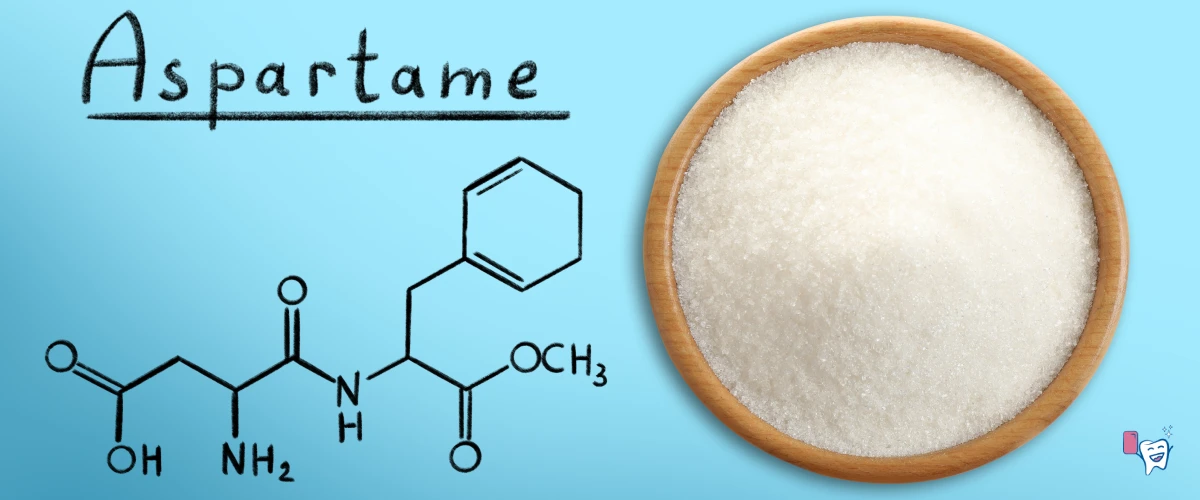
Aspartame is a synthetic sweetener that is widely used as a substitute for sugar. It finds its use in a variety of foods such as cereals, candies, and cold drinks. Let’s talk about the chemistry of aspartame. Furthermore, it consists of two amino acid molecules, aspartic acid and phenylalanine. These two are present in combination with methyl ester, which is responsible for this sweetness.
Are you wondering why we use aspartame as a sweetener instead of sucrose? Aspartame is just sweeter than sucrose and manufacturers use it to reduce their production costs.
Why Avoid Aspartame?
Although the use of Aspartame in chewing gum is permitted by the Food and Drug Administration and the European Food Safety Authority, it is only limited to a certain level [1]. Therefore, excessive use of aspartame-containing gums is not recommended because it results in adverse health effects. Common implications are listed below:
Aspartame is a potentially carcinogenic substance
On July 14, 2023, aspartame was classified as a potentially carcinogenic substance, i.e., aspartame was classified in “Group 2B,” which includes substances that are potentially carcinogenic to humans. This was a decision made by the IARC (International Agency for Research on Cancer), which is a specialized agency of the World Health Organization (WHO).
From the moment aspartame was classified as a potentially carcinogenic substance, there is no need to downplay this fact. Aspartame poses a certain health risk. If aspartame did not pose a risk, the IARC would not have placed it in Group 2B. Any statements from various parties questioning this decision or classification are, in my view, irrelevant.
Aspartame and its possible harmfulness have been known/rumored for many years. Its main negative health effects are listed below. Many people were pleased with this decision by the IARC and, by extension, the WHO. From now on, we know where we stand.
Behavioural Changes
Aspartame-containing products have a relation with behavioural and cognitive issues. Common neurophysiological signs are headache, seizure, anxiety, and insomnia. [2] This happens because phenylalanine accumulation in the brain inhibits the release of hormones, that are important for normal body behaviours.
GI tract Issues
When metabolized in the GI tract, aspartame produces methanol, aspartic acid, and phenylalanine. The intestinal lining absorbs them and causes adverse symptoms. Patients complain of nausea, vomiting, abdominal pain, and diarrhoea. [3]
Phenylketonuria
People are often intolerant to aspartame as it contains phenylalanine. Phenylketonuria is a rare genetic disorder, in which individuals fail to metabolize phenylalanine due to the absence of an enzyme. This results in symptoms like headache and dizziness. Therefore, the FDA has required all products containing aspartame to mention “phenylalanine-containing” on them.
Higher Risk of diseases
Aspartame has been associated with neurotoxicity. It activates glutamate receptors in the body. Moreover, it increases the production of reactive oxygen molecules. They may develop cancerous properties [4]. Aspartame-containing chewing gum is known to increase the risk of certain diseases.
How to Recognize Aspartame?
Phenylketonuria patients often fail to recognize aspartame in food products. They should carefully read all labels on the product and look for “aspartame” or “phenylalanine” in the ingredients. If these are present, you should avoid it. Here are a few tips to consider:
- Read Ingredient Lists: Take the time to read the ingredient list on food labels thoroughly. Look for the presence of aspartame as it is listed under its generic or brand name.
- Know Common Products: Understand that aspartame is commonly found in a wide range of products, including diet sodas, sugar-free desserts, chewing gum, yoghurt, and packaged snacks. Hence, be careful when purchasing these items.
- Check for Sugar-Free Claims: Products that advertise themselves as “sugar-free” or “diet,” may contain aspartame or other artificial sweeteners. Therefore, always verify the ingredients.
- Use Alternative Sweeteners: Pick products sweetened with alternative sweeteners, such as stevia, monk fruit extract, or xylitol, instead of aspartame. Natural or low-calorie sweeteners may provide a healthier alternative for those avoiding artificial additives.
- Use Natural Products: Find organic and natural food brands that contain wholesome ingredients and avoid artificial additives like aspartame. These products are a healthier option for consumers.
Benefits of Aspartame-free Chewing Gum
Taking aspartame-free chewing gums can give you certain benefits, and prevent adverse health effects. Here are a few of the benefits you should consider:
Healthier ingredients
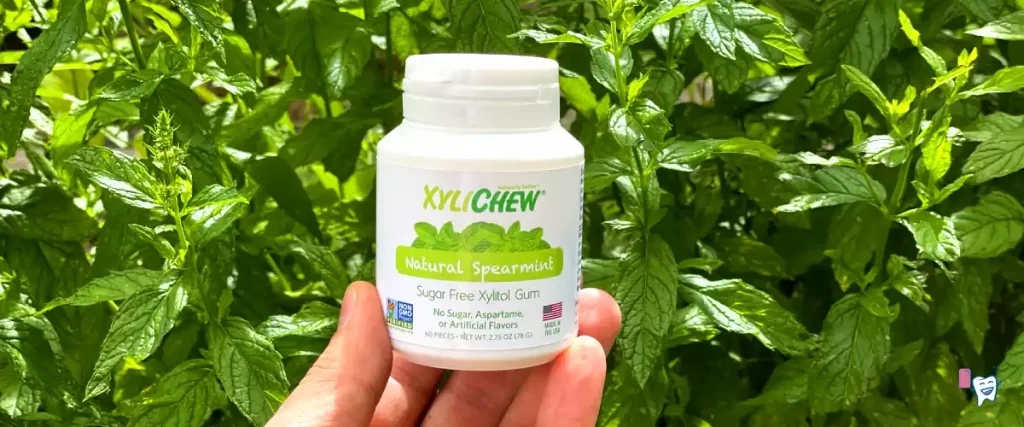
Healthy Chewing Gum, also known as chewing gum without plastic materials, without harmful chemicals, i.e. without aspartame, sweetened exclusively with xylitol or stevia. These sweetening options are healthier and do not pose a health risk. If you want to eliminate sugars from your diet or become healthier, you can use chewing gum without aspartame.
No Risk of Dental Caries
Popular Chewing gums contain sweeteners and oral bacteria can metabolise them. Oral bacteria grow on this and lead to the formation of dental caries. On the other hand, aspartame-free chewing gums do not pose a risk of tooth decay.
Pro tip: Choosing xylitol-containing chewing gums is harmless for the teeth. It is a great way to get some amazing oral health benefits.
Prevents Glucose Spikes
Chewing gums have sweeteners that cause sudden increases in blood glucose levels. It is a particular concern for diabetic patients. Choosing aspartame-free gums ideally containing xylitol, erythritol or stevia should have no adverse effect on blood glucose levels like most popular gums (which unfortunately contain aspartame). Chewing gum with xylitol (only), erythritol or stevia is a safe choice for diabetes. We recommend avoiding popular chewing gum, which does contain the aforementioned natural sweeteners, but is often only partially mixed with other artificially cheap sweeteners.
Taste
Aspartame-free chewing gums have a unique taste, and people prefer this taste as compared to regular gums. It gives a cleaner and refreshing flavour.
Individual Sensitivities
People with phenylketonuria often complain of not finding products such as chewing gums without phenylalanine. This issue has been resolved with the introduction of aspartame-free chewing gums. They can enjoy aspartame-free gum and get its benefits, without thinking about the side effects.
Bottom Line
Aspartame-free gum is the choice for those who want to be healthier and chew gum regularly. You can still enjoy the benefits of chewing gum such as fresh breath and salivary gland stimulation, without compromising on your health. If you are aware of the potential risks of aspartame, you would never like to chew it. However, taking such foods once a month will have no adverse effect. Taking them frequently is not a good habit. You should make efforts to alter it! So, are you ready to try out aspartame-free chewing gums? Get it now!
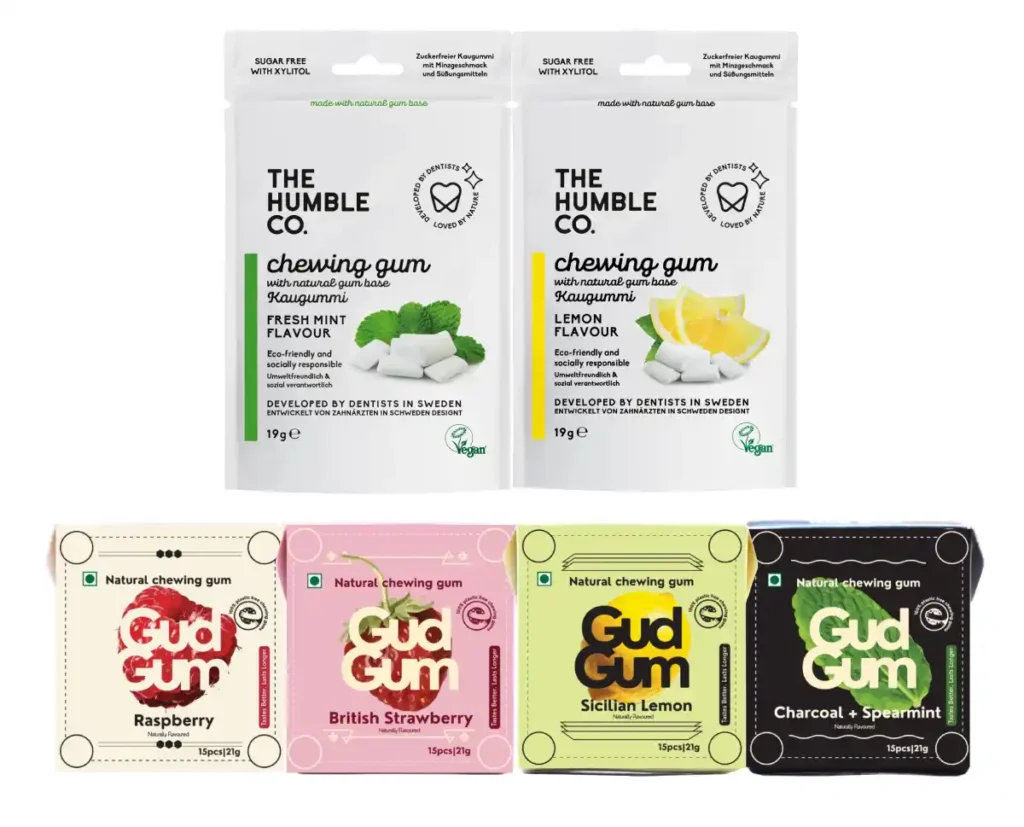
Aspartame Free Chewing gum without plastic materials and harmful chemicals
Try Aspartame Free Chewing Gum, with a natural gum base or a base free of plastic materials and harmful chemicals. You will experience a truly natural taste without any harmful substances. Take advantage of the potential of chewing gum.
Sources
[1] FDA regulations – https://www.fda.gov/food/food-additives-petitions/timeline-selected-fda-activities-and-significant-events-addressing-aspartame.
[2] Neurophysiological Symptoms Associated with Aspartame – https://pubmed.ncbi.nlm.nih.gov/28198207/.
[3] Effects of Aspartame – https://www.ncbi.nlm.nih.gov/pmc/articles/PMC8227014/
[4] Aspartame safety – https://www.ncbi.nlm.nih.gov/pmc/articles/PMC10459792/